
Acmefil · spray dryer specialists since 2000
Spray dryers that turn your liquid into perfect powder
Acmefil designs and builds industrial, pilot and lab spray dryers and complete drying plants – rotary atomizer, nozzle, fluidized and closed-loop – sized on your own feed.
- ISO 9001:2015 certified manufacturer
- 500+ plants · exported to 14 countries
- Pilot trials in our Ahmedabad R&D centre
Trusted by manufacturers across dyes, chemicals, ceramics, food and pharma



















How it works
From liquid feed to dry powder in seconds
Spray drying atomizes a liquid into fine droplets and meets them with hot air. Water flashes off almost at once, so heat-sensitive products keep their quality and every particle comes out alike.
- 1
Feed preparation
Solution, slurry or emulsion is mixed, often pre-concentrated in an evaporator, and pumped at a steady rate.
- 2
Hot air generation
Fresh air is filtered and heated – steam, thermic fluid or a direct / indirect fired hot air generator.
- 3
Atomization
A rotary atomizer, pressure nozzle or two-fluid nozzle breaks the feed into millions of droplets.
- 4
Drying
Hot air meets the droplets in the chamber; water flashes off in seconds, keeping heat-sensitive products safe.
- 5
Powder separation
Dry powder leaves the chamber cone; a cyclone and bag filter recover the fines from the exhaust.
- 6
Exhaust cleaning
A wet scrubber cleans the air; the ID fan sends it to the chimney.
- 7
PLC automation
Inlet / outlet temperature, feed rate and pressures run under PLC control with alarms and interlocks.
- 8
Collection & finishing
Powder is cooled, sieved and packed – or agglomerated in a fluid bed for instant products.
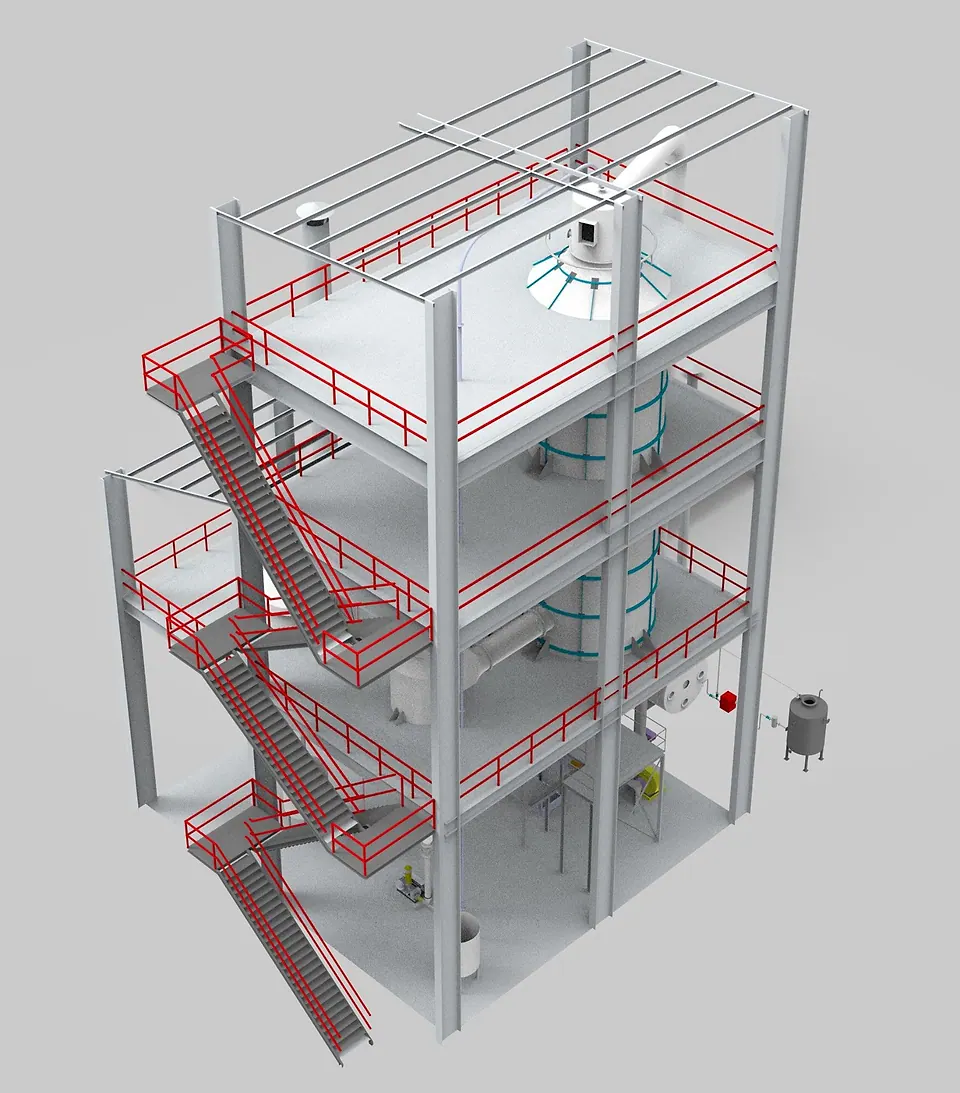
Watch the full process in 3D – feed, atomization, drying, separation and collection (4 min).
Acmefil spray dryers
One technology, built eight ways
The right design follows your feed, the powder you need, the solvent and the scale. Pick a type to read its full guide.
Rotary atomizer spray dryer
A high-speed wheel throws the feed into a fine, even mist. The workhorse for dyes, chemicals and food powders.
- Fine, uniform powder
- High capacity
- Handles viscous & abrasive feeds
Pressure nozzle spray dryer
High-pressure nozzles in a tall chamber give coarse, free-flowing, low-dust granules.
- Coarse granules
- High bulk density
- Ceramics & detergents
Two-fluid nozzle spray dryer
Compressed air atomizes the feed into very fine droplets – ideal for small capacities and fine powders.
- Very fine particles
- Small capacities
- R&D & specialty
Fluidized spray dryer
An integrated fluid bed agglomerates and finishes the powder – instant, dust-free and easy to dissolve.
- Agglomerated
- Instant solubility
- Herbal extracts & food
Closed loop spray dryer
Nitrogen circulates in a sealed loop; solvent vapour is condensed and recovered.
- Solvent recovery
- Inert N₂ loop
- APIs & specialty chemicals
Sterile spray dryer
Hygienic, GMP-oriented design for pharmaceutical and biological products.
- Aseptic design
- GMP
- Pharma & biologics
Effluent spray dryer
Turns RO reject, MEE concentrate and other effluents into dry salt – the last step of ZLD.
- ZLD
- High-temperature
- CETP & industrial effluent
Lab & pilot spray dryer
Compact units with precise control for R&D, sampling and scale-up data.
- R&D
- Sampling
- Scale-up data
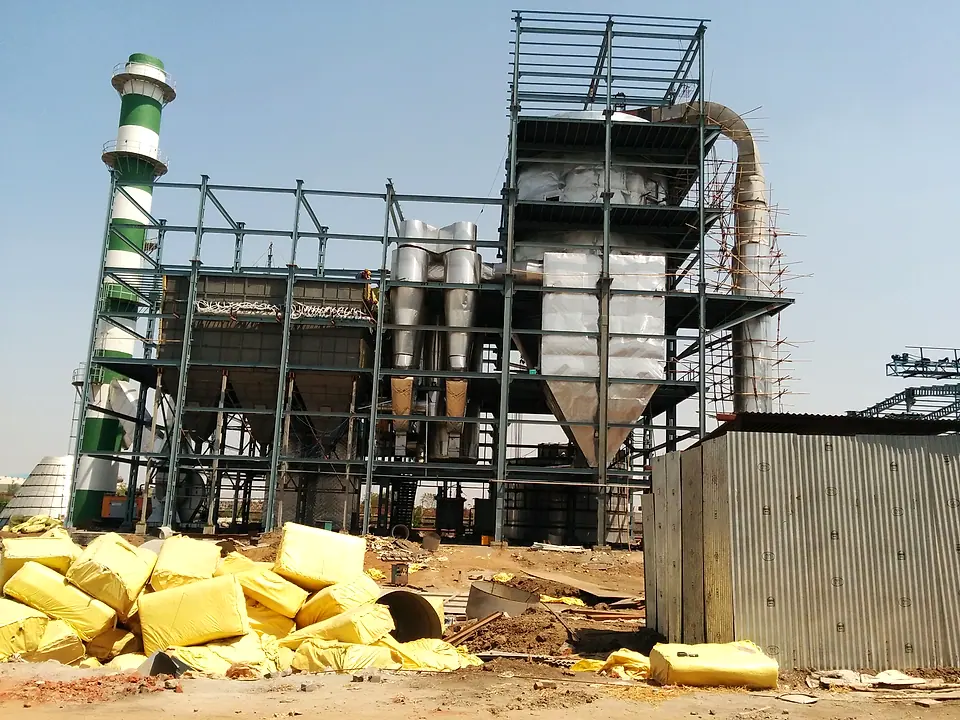
Zero liquid discharge
India’s largest effluent handling spray dryers
Acmefil builds the high-temperature spray dryers that turn effluent concentrate and RO reject into dry, disposable salt – the final step of a ZLD plant, after membranes and multiple-effect evaporators.
- AnkleshwarGujarat
- DahejGujarat
- Sachin, SuratGujarat
Spray dryer selector
Which spray dryer fits your product?
Three quick questions for a starting point. Our process engineers confirm it on your feed data or in a pilot trial.
Rotary atomizer spray dryer
General guidance only – the final choice depends on solids, viscosity, heat sensitivity and capacity. We confirm it on your feed or in a pilot trial.
Applications
Proven across nine industries
Wherever a liquid must become a stable, uniform, easy-to-handle powder, spray drying is the method of choice.
Acmefil plants at work
Built in Ahmedabad, running across industry
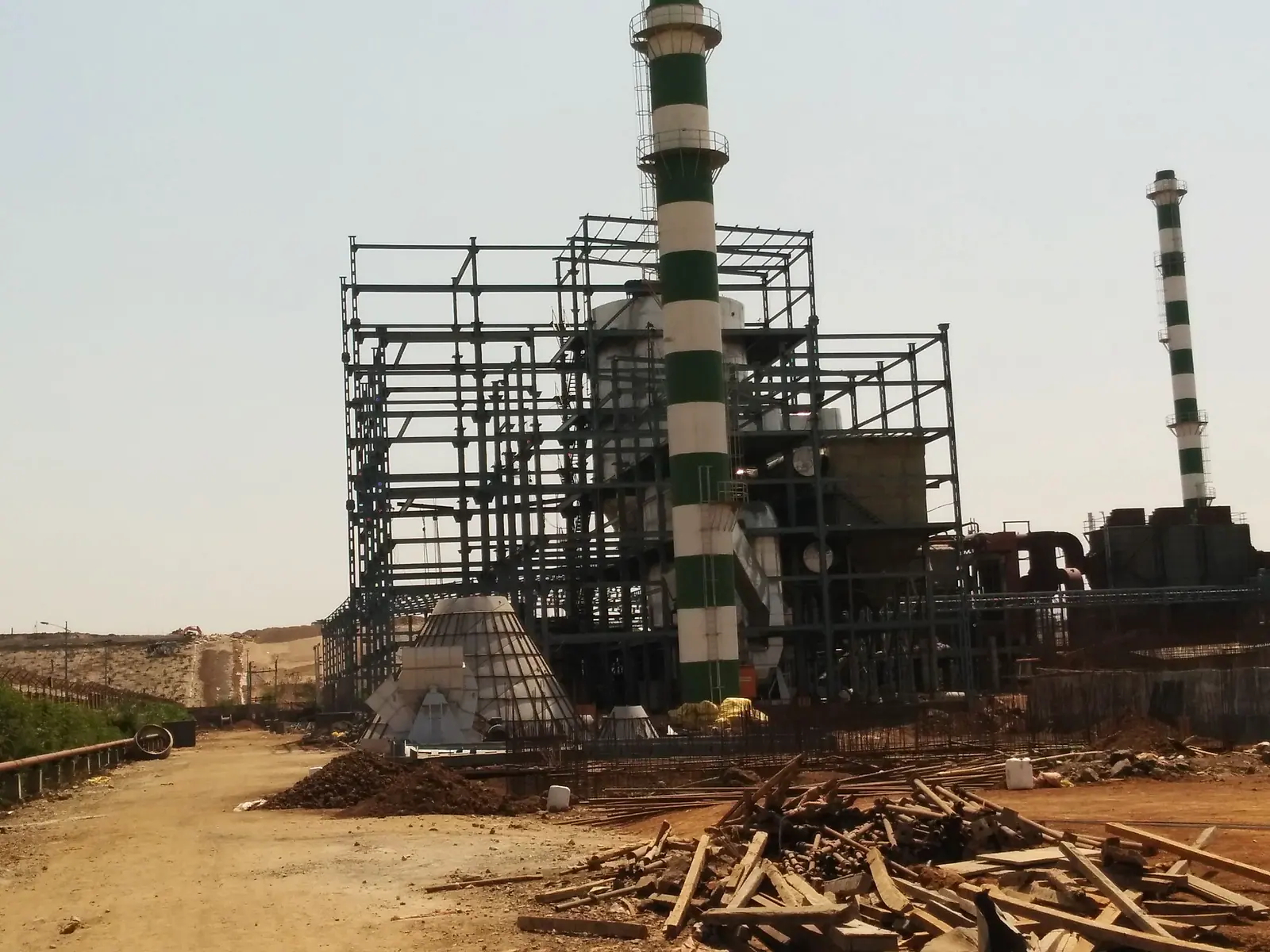
Real Acmefil spray drying plants – from hygienic pilot units to the largest effluent dryers in Gujarat.
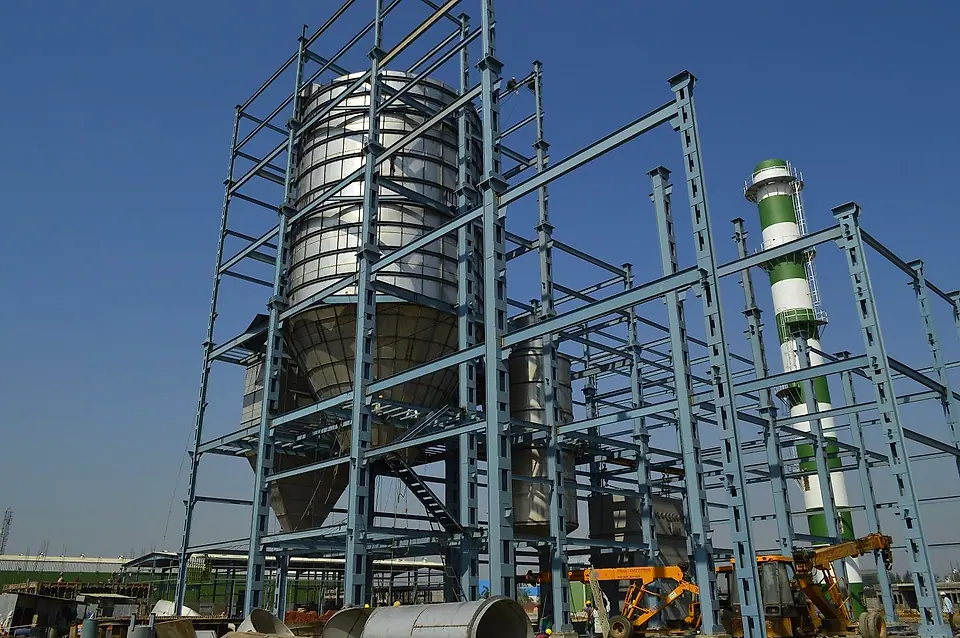
 Effluent spray drying plantGujarat · zero liquid dischargeStainless drying chamberHigh-temperature effluent dryer
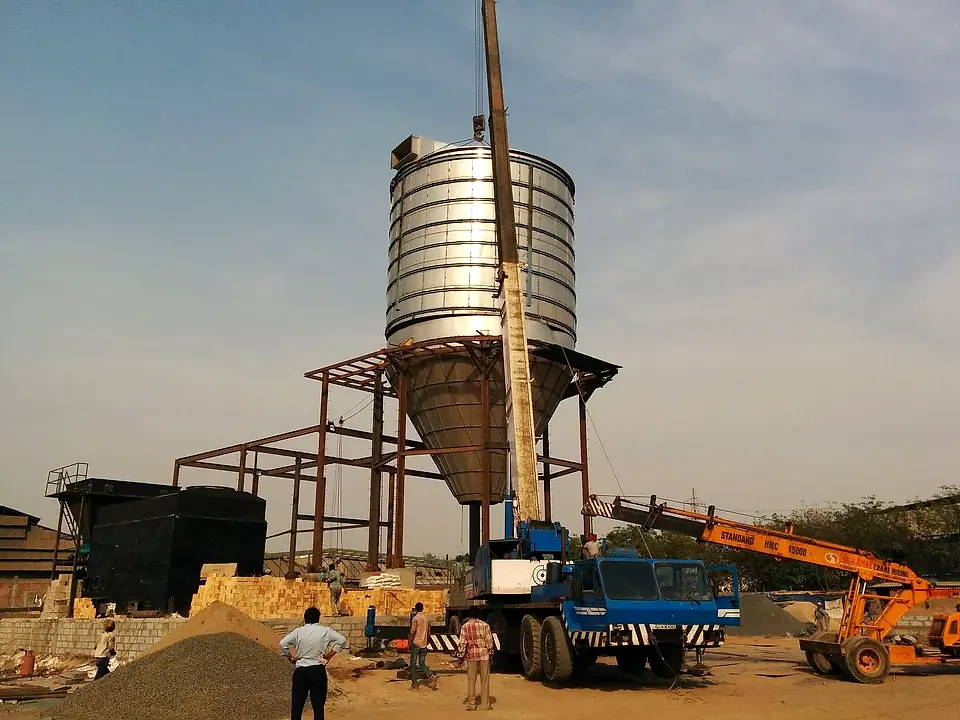
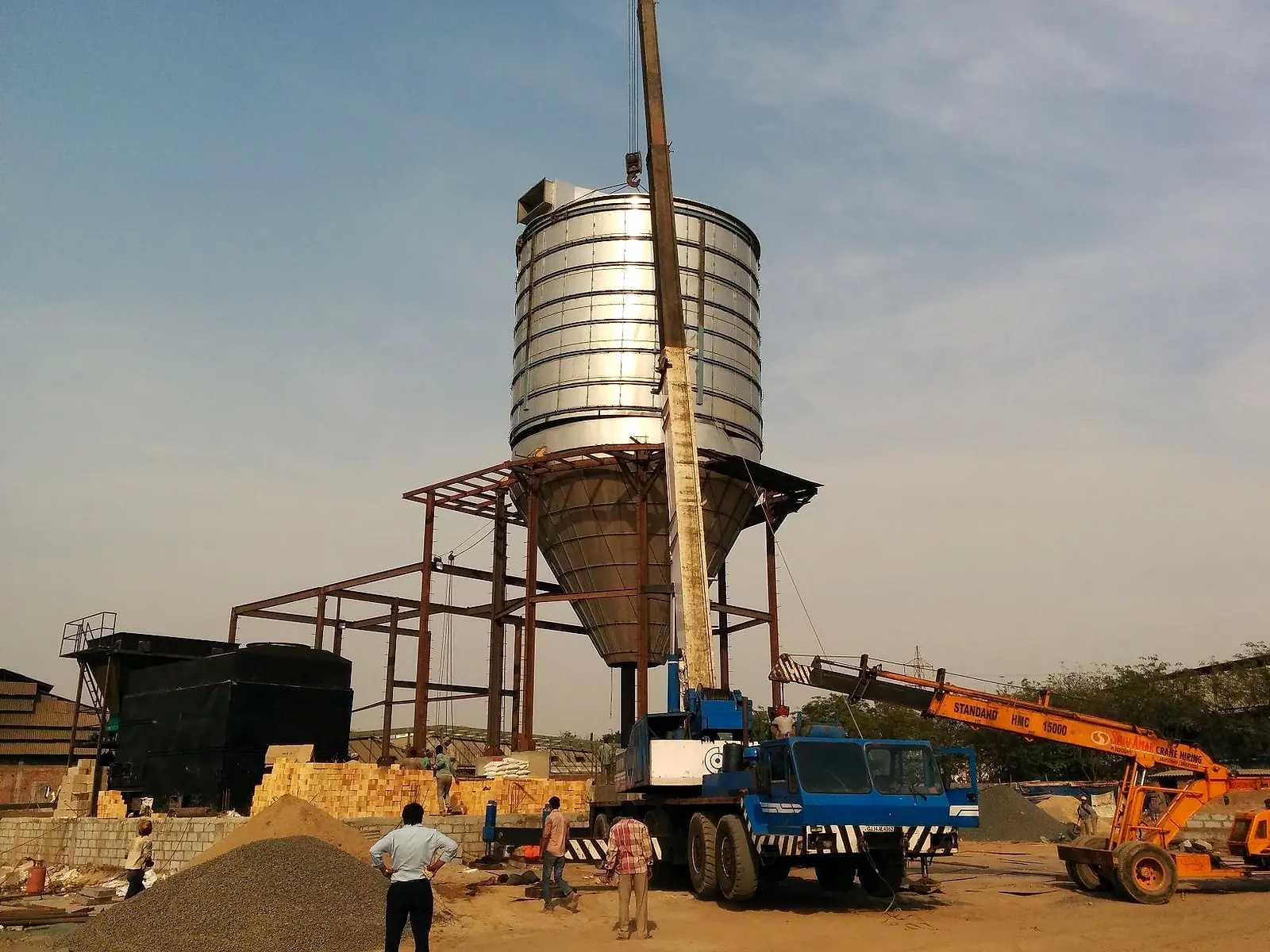 Chamber erectionLifted in by our own erection team
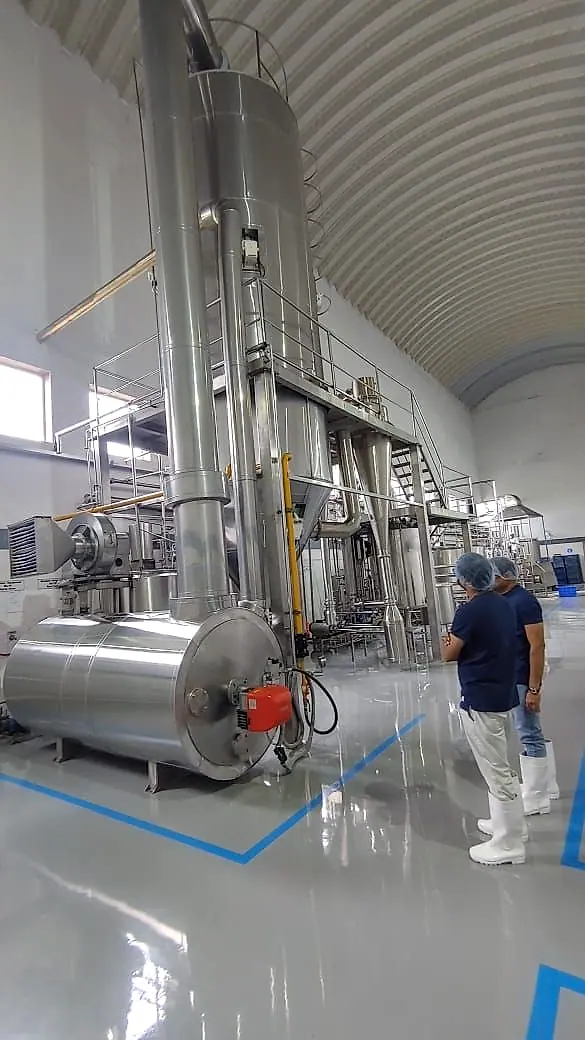 Hygienic spray dryerFood & pharma grade
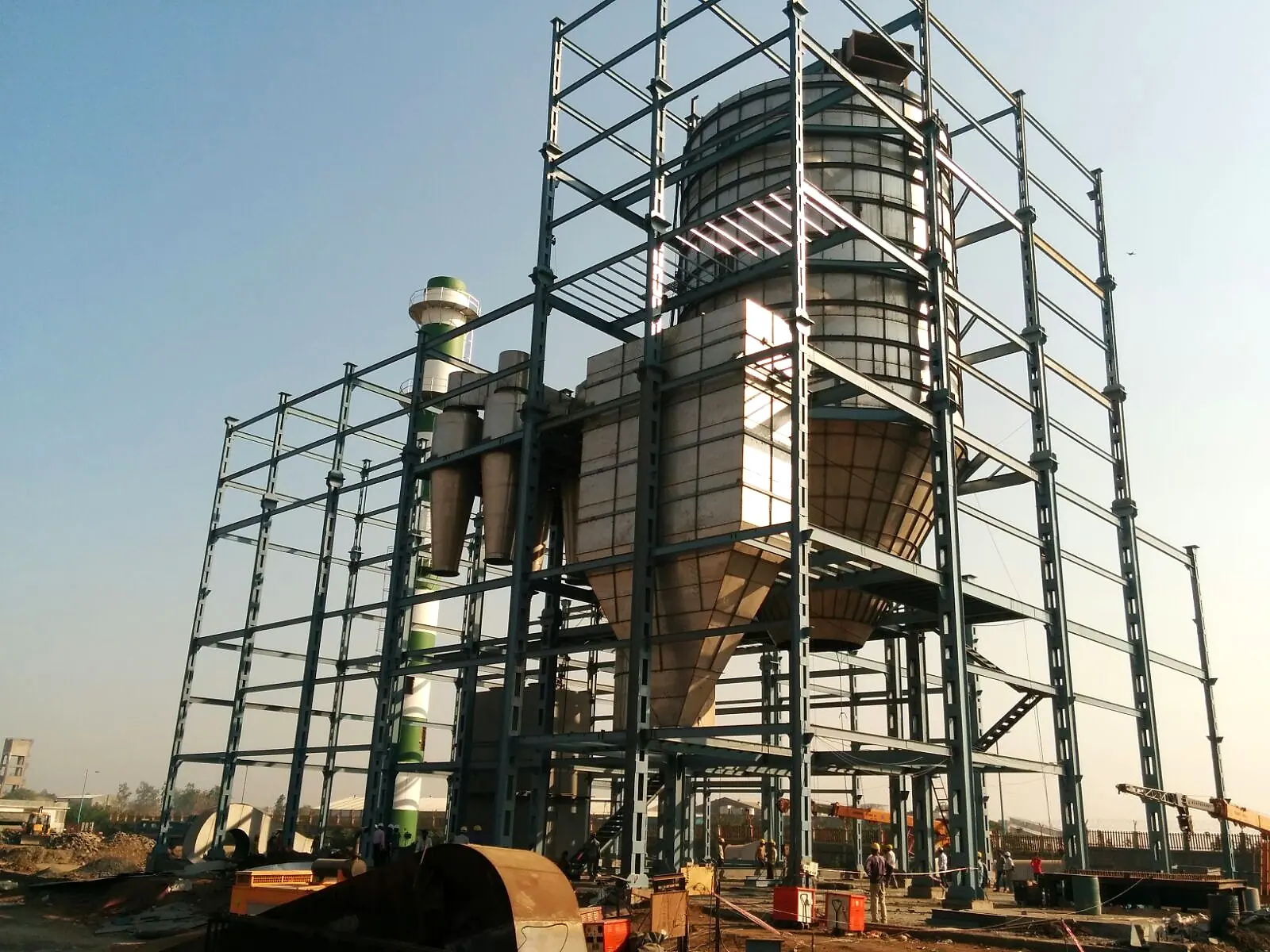 Chamber with twin cyclonesPowder recovery
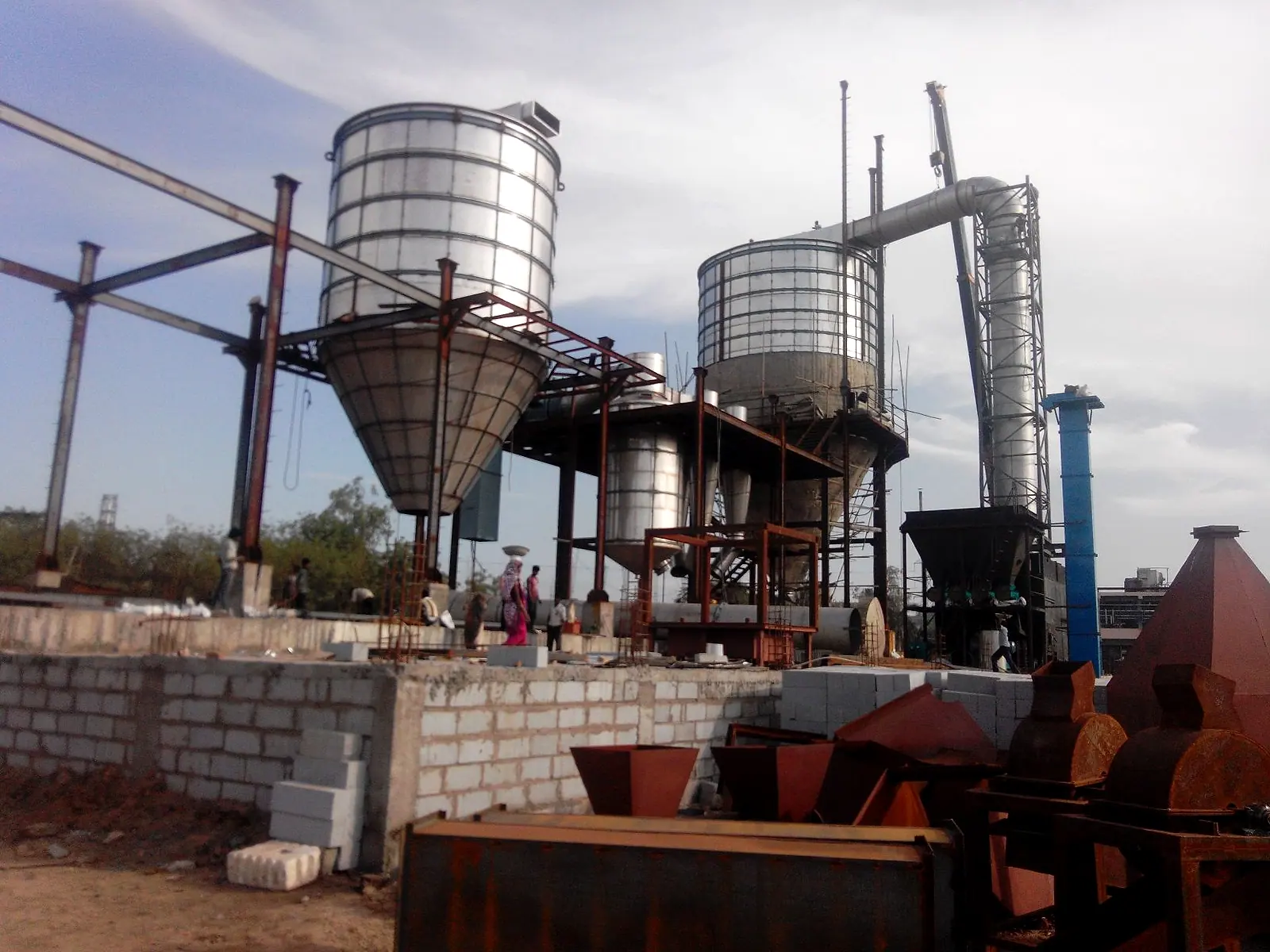 Two chambers, one siteTurnkey project
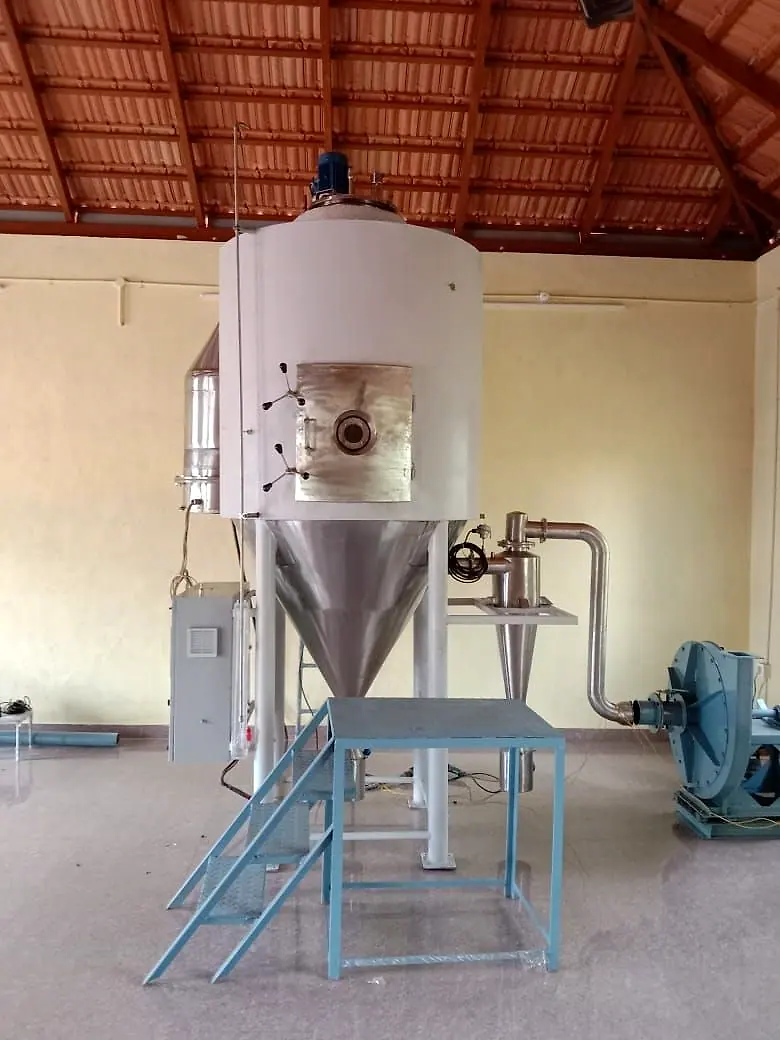 Pilot spray dryerR&D and product trials
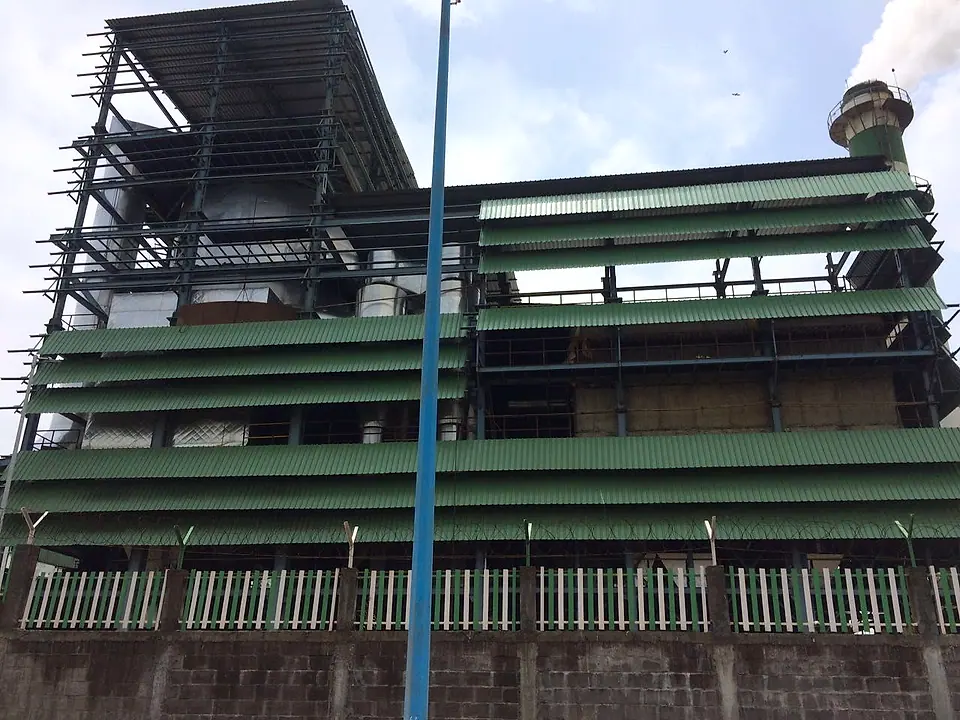 Fully clad plantComplete line with chimney
Atomization
Rotary atomizer, pressure nozzle or two-fluid?
The atomizer decides droplet size – and droplet size decides your powder.
| Rotary atomizer | Pressure nozzle | Two-fluid nozzle | |
|---|---|---|---|
| Typical particle size | 20–150 microns | 50–300 microns (coarser) | 5–50 microns (finest) |
| Powder form | Fine, uniform | Granular, free-flowing, low dust | Very fine |
| Chamber shape | Wide, shorter | Tall, narrow | Compact |
| Capacity | Small to very large | Medium to very large | Small |
| Viscous / abrasive feed | Very good (abrasion-resistant wheels) | Limited – nozzle wear | Good for viscous feeds |
| Typical uses | Dyes, chemicals, milk, coffee, effluent | Ceramic body, detergents, granular food | Pharma, R&D, specialty |
| Guide | Rotary atomizer → | Pressure nozzle → | Two-fluid nozzle → |
Typical ranges from industry practice; your product sets the real numbers. Full comparison: nozzle vs rotary atomizer.
Pilot trials
Test your product before you invest
Run your own feed on the pilot spray dryer in our Ahmedabad R&D centre. You hold the real powder in your hand, and we collect the data to size your industrial plant.
- Find stickiness, wall deposits or heat damage before you buy
- Atomizer speed, inlet / outlet temperature and feed rate tuned to your product
- Powder samples to approve with your own customers
Why Acmefil
Engineering you can scale on
- 500+ plants supplied – spray dryers and process plants running across dyes, chemicals, ceramics, food, pharma and effluent treatment.
- Designed around your product – capacity, temperatures, material of construction and particle size engineered for your feed.
- ISO 9001:2015 quality – strict control from raw-material purchase to erection and commissioning.
- Lower cost per kilo – evaporator pre-concentration, heat recovery and tuned airflow cut the energy each kilo of powder needs.
- Our own erection team – installation, commissioning and operator training by Acmefil engineers.
- One group, the whole line – evaporators, ZLD, fluid bed and flash dryers, bag filters and hot air generators under one roof.
Global presence
Acmefil plants in 14 countries
Designed and built in Ahmedabad – running from the USA to Malaysia.
Drag to turn the globe
14 countries on 5 continents
- AmericasUSA · Colombia
- EuropeIreland · France
- Middle EastTurkey · Israel · Iran · UAE (Dubai)
- AfricaCameroon · South Africa
- AsiaBangladesh · Myanmar · Malaysia · China
Every plant designed and built in Vatva, Ahmedabad – and commissioned by our own engineers.
Discuss an export projectBeyond spray dryers
The complete line from one group
Evaporation before the dryer, ZLD around it and air pollution control after it – all designed and built by Acmefil.
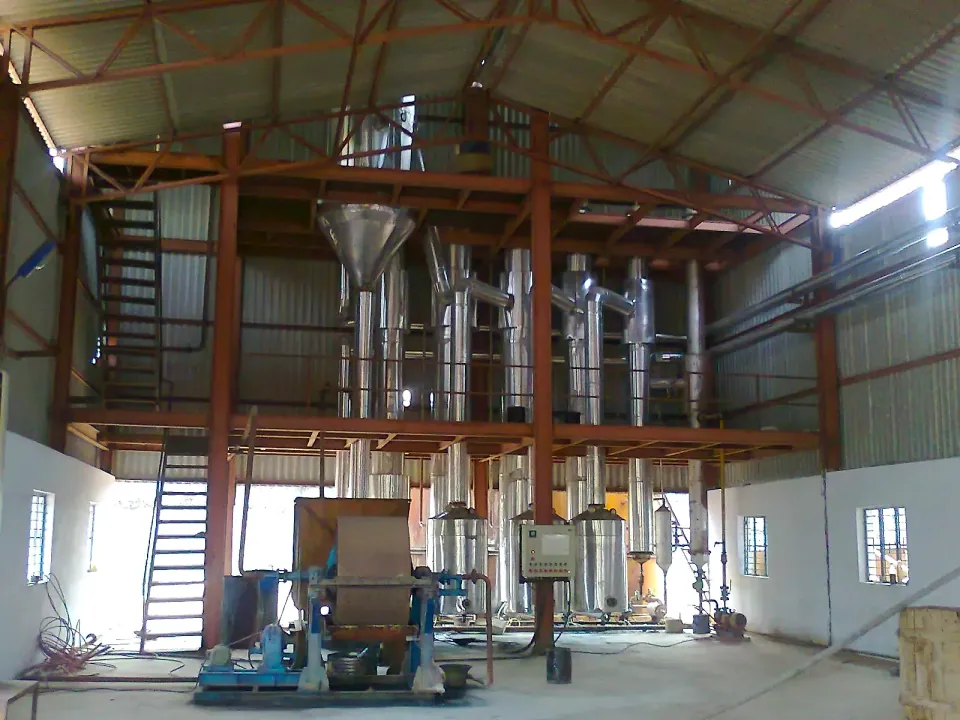 EvaporatorsFalling film, forced, natural circulation & hybrid
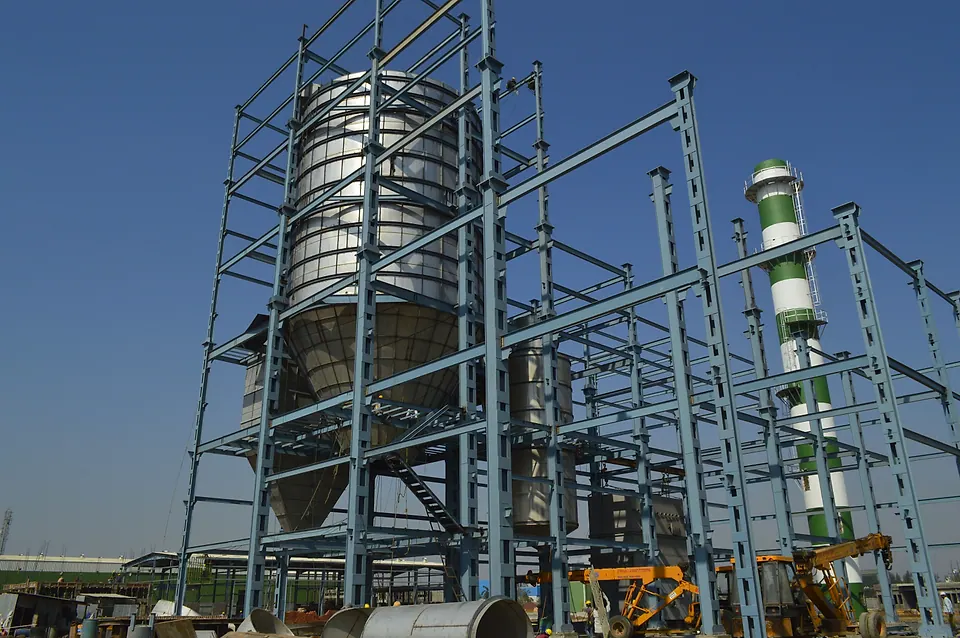 Zero Liquid DischargeMembranes, MEE and effluent spray dryers
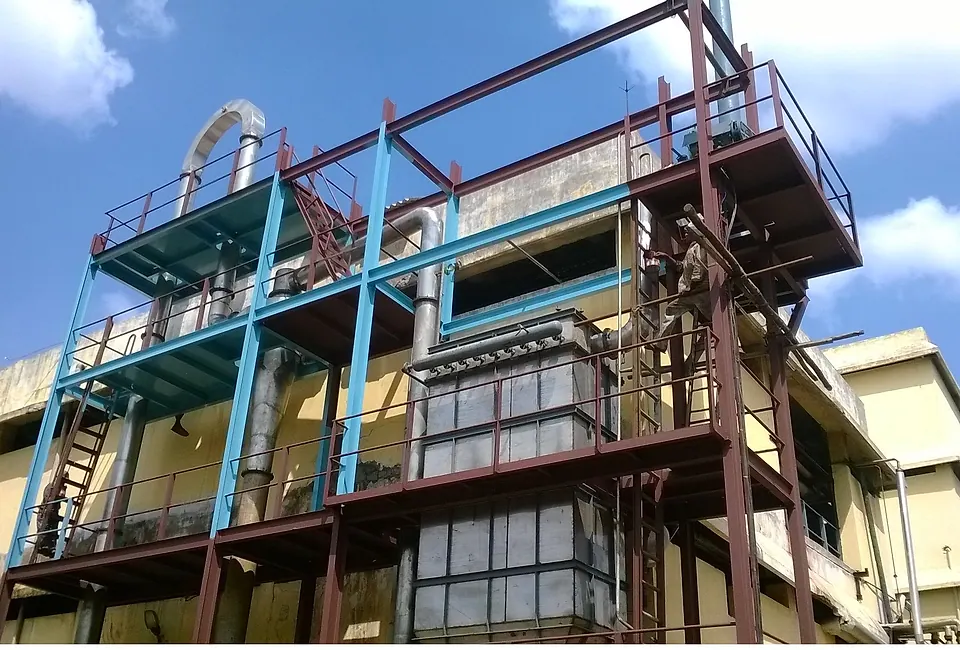
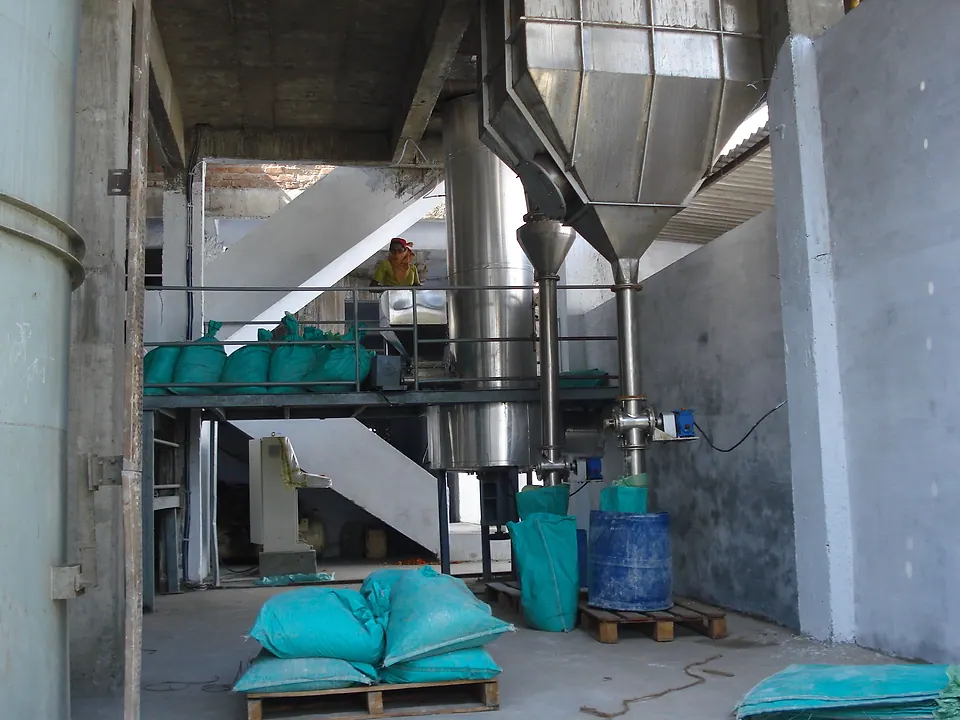 Spin flash dryerFilter cakes, pastes and viscous sludge
 Flash dryerFast drying of free-flowing wet solids
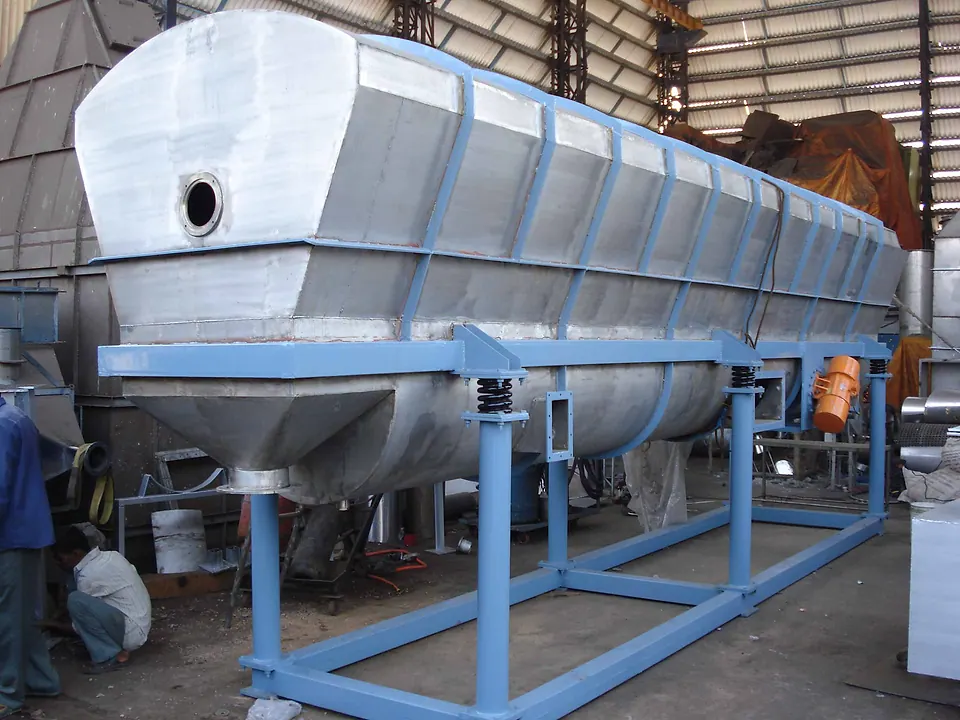 Fluid bed dryerVibratory and static fluid bed dryers
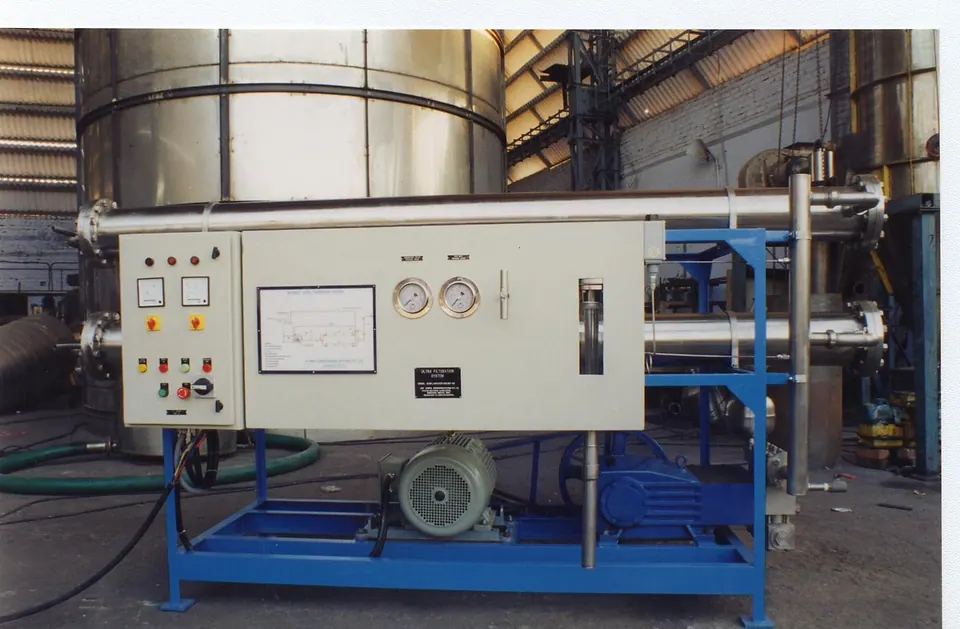 Membrane systemsMicro, ultra, nano filtration & RO
FAQ
Spray drying questions, answered
How does a spray dryer work?
The liquid feed is atomized into fine droplets inside a drying chamber, where hot air evaporates the water almost instantly. The dry particles collect at the chamber cone; a cyclone and bag filter recover the fines from the exhaust air. Full explanation: how does a spray dryer work.
What products can be spray dried?
Dyes and pigments, detergents, polymers and resins, catalysts, agrochemicals, ceramic body powders, milk and whey powder, instant coffee, egg powder, spices and flavours, APIs, enzymes, herbal extracts, effluent salts and water-treatment chemicals such as PAC. See applications of spray dryers.
Which types of spray dryer does Acmefil build?
Rotary atomizer, pressure nozzle, two-fluid nozzle, fluidized, closed-loop, sterile, effluent / ZLD and lab or pilot spray dryers – plus spray cooling and spray calcining systems. Compare them in types of spray dryers.
Why is spray drying so widely used?
It is continuous, it scales from grams to tonnes per hour, and the very short drying time protects heat-sensitive products. You also control particle size, moisture and bulk density closely. More in advantages of spray drying.
Rotary atomizer or nozzle – which should I choose?
Rotary atomizers give fine, uniform powder at high capacity and handle viscous or abrasive feeds well. Pressure nozzles in a tall chamber give coarser, free-flowing, low-dust granules – common for ceramics and detergents. Two-fluid nozzles give the finest particles at small capacities. See nozzle vs rotary atomizer.
How is a spray dryer sized?
On its water evaporation rate in kg/hr – feed rate minus powder output. Feed solids and the final moisture set that number; inlet and outlet air temperatures then set the air flow and chamber size. Read spray dryer calculations.
Knowledge hub
Spray drying guides from the people who build the plants
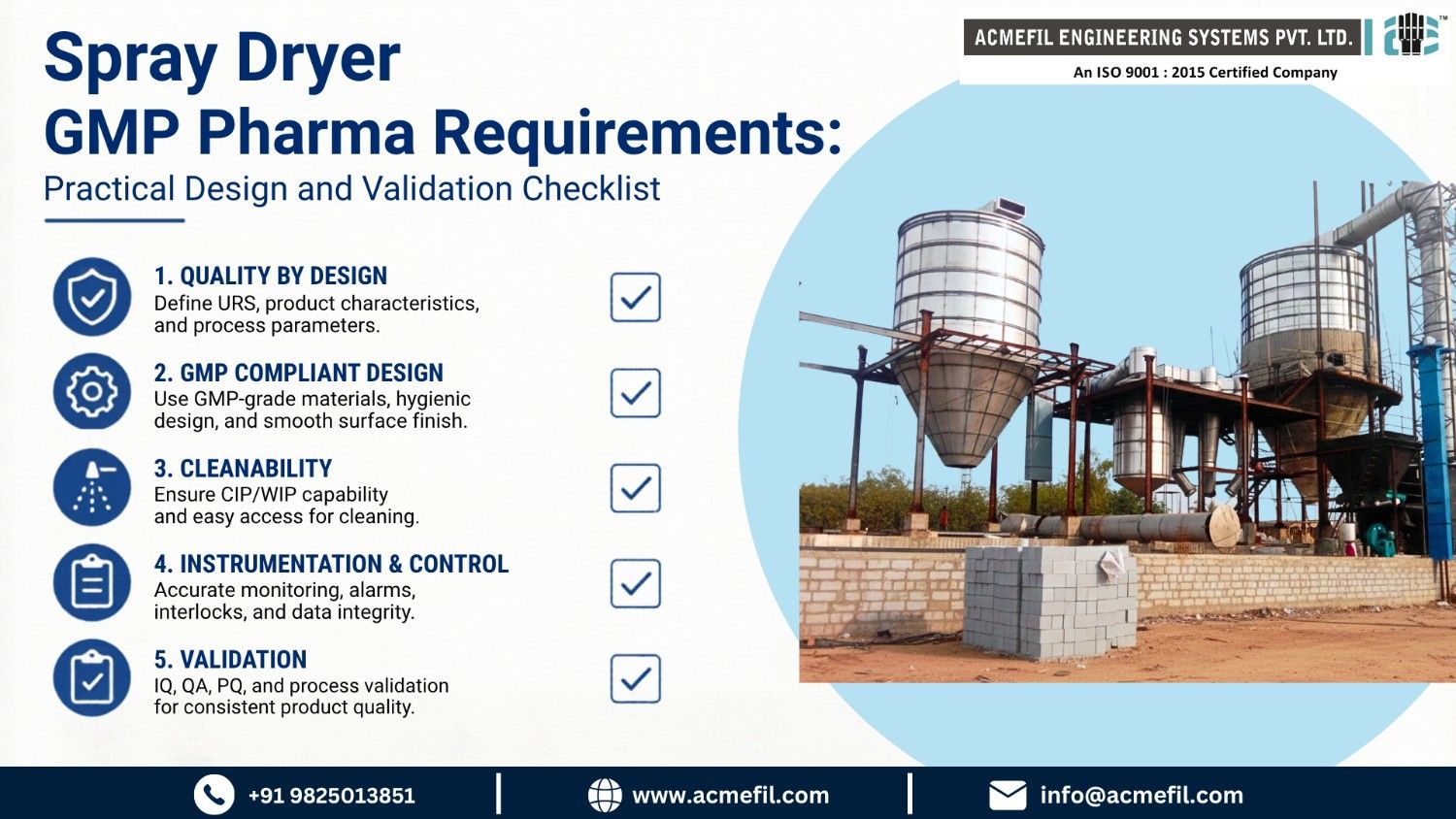 Spray Dryer · 14 min readSpray Dryer GMP Pharma Requirements: Practical Design and Validation ChecklistA pharma spray dryer is not GMP-compliant only because it is made from stainless steel. The real GMP requirement is…
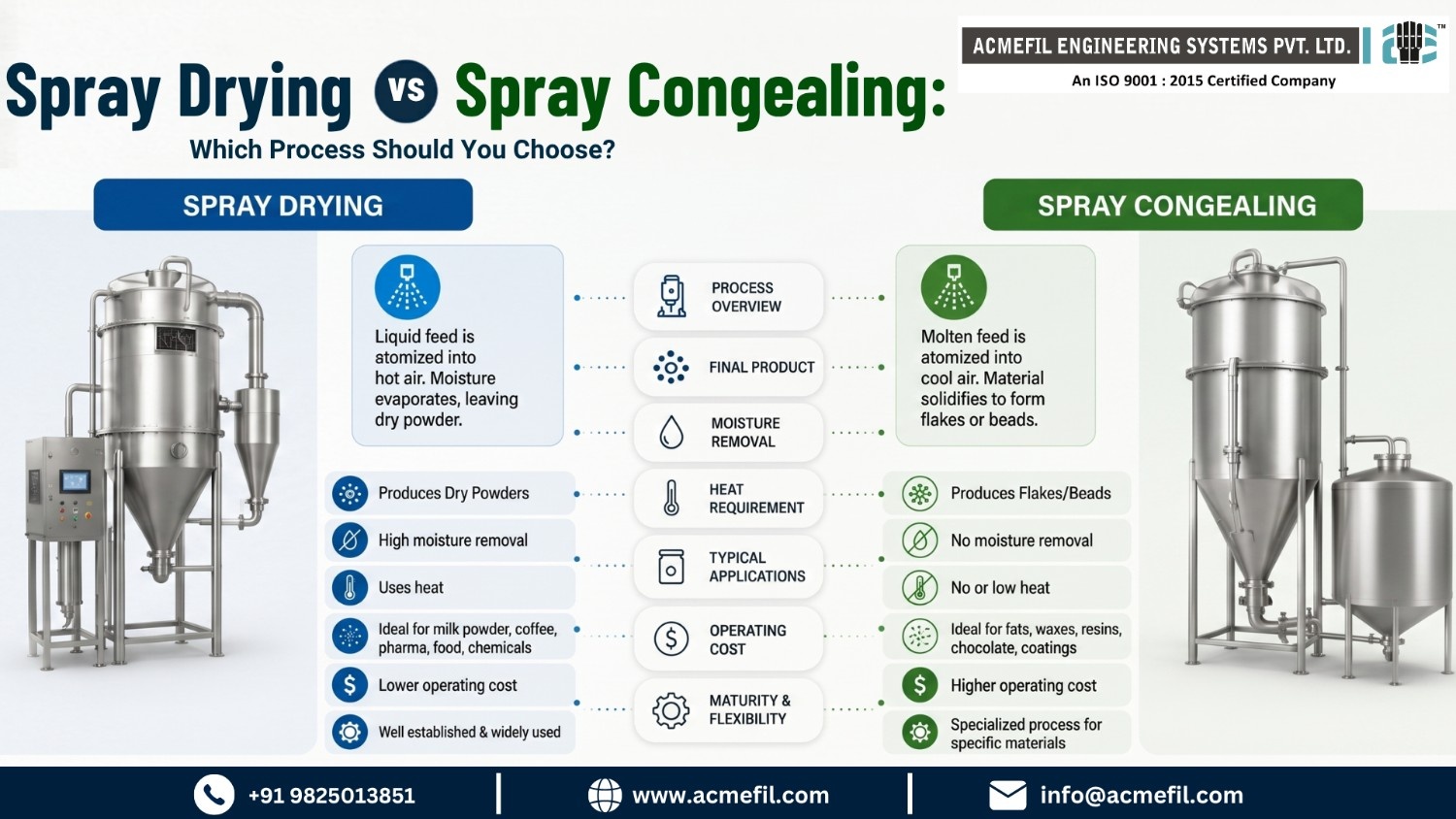 Spray Dryer · 13 min readSpray Drying vs Spray Congealing: Which Process Should You Choose?Spray Drying vs Spray Congealing: The Practical Difference Spray drying vs spray congealing comes down to one basic question: are…
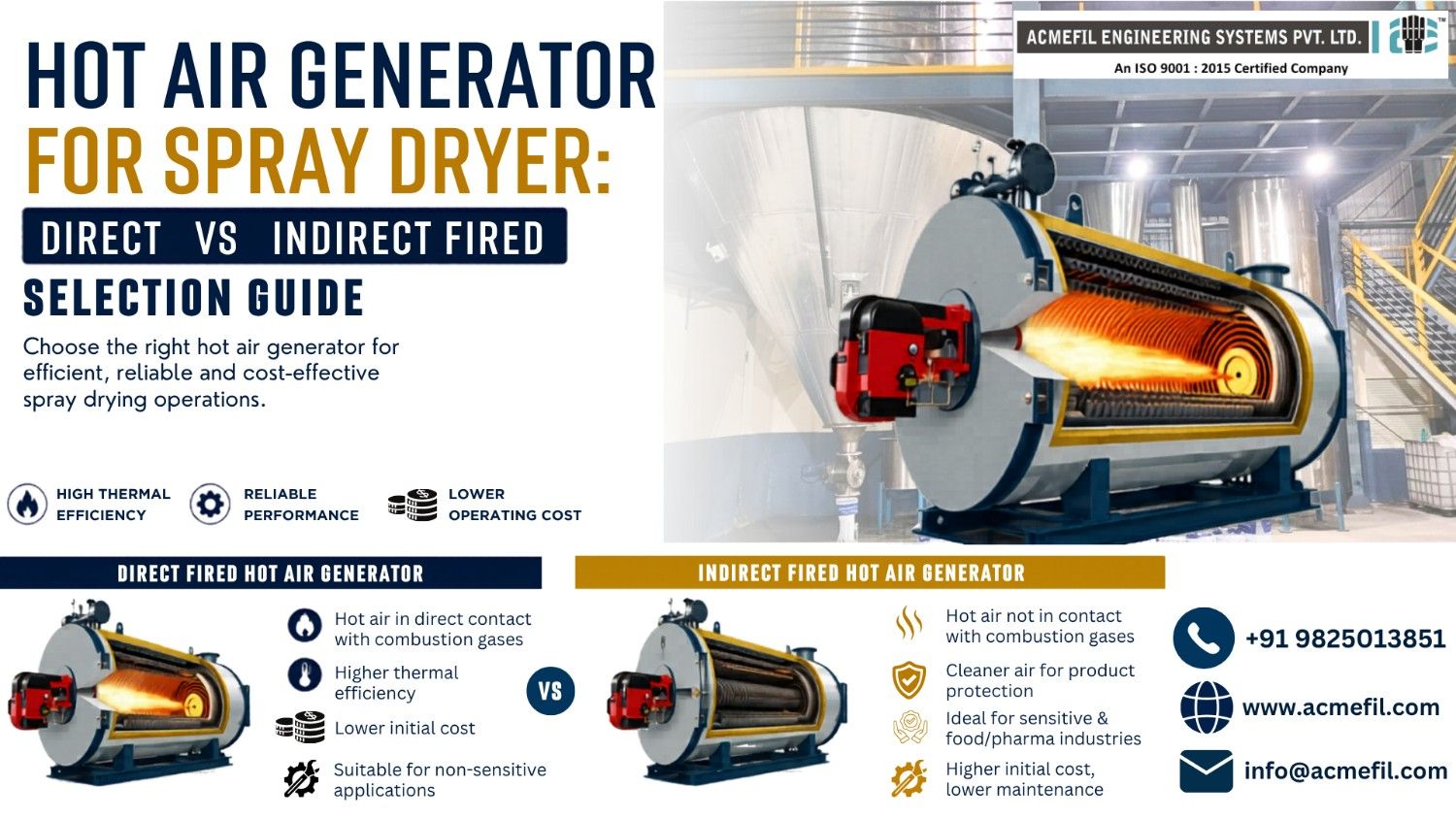 Spray Dryer · 10 min readHot Air Generator for Spray Dryer: Direct Fired vs Indirect Fired Selection GuideA hot air generator for spray dryer systems supplies the controlled heated air required to evaporate moisture after atomization. The…
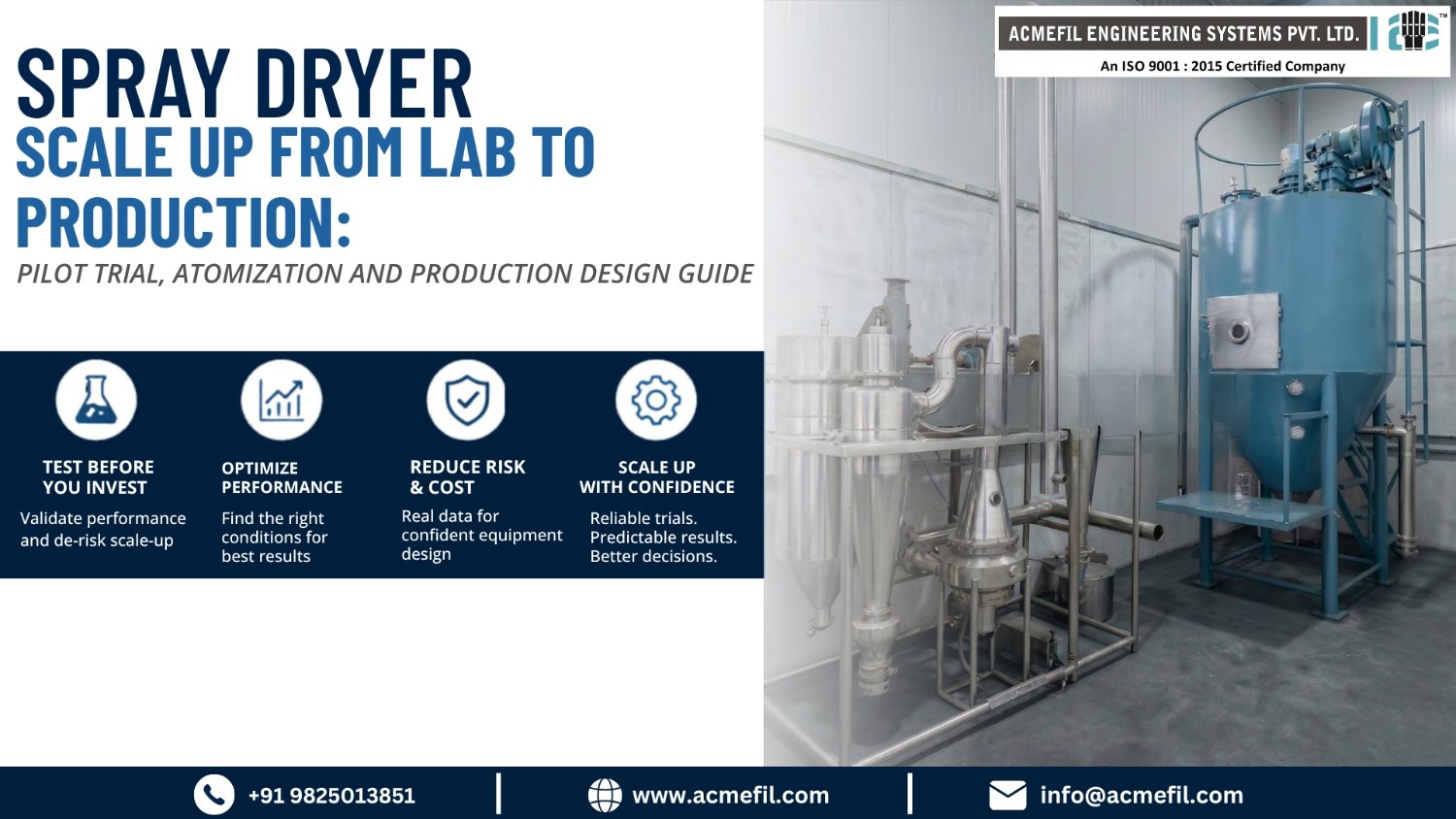 Spray Dryer · 13 min readSpray Dryer Scale Up from Lab to Production: Pilot Trial, Atomization and Production Design GuideSpray dryer scale up from lab to production is not a simple capacity multiplication. A successful lab powder does not…
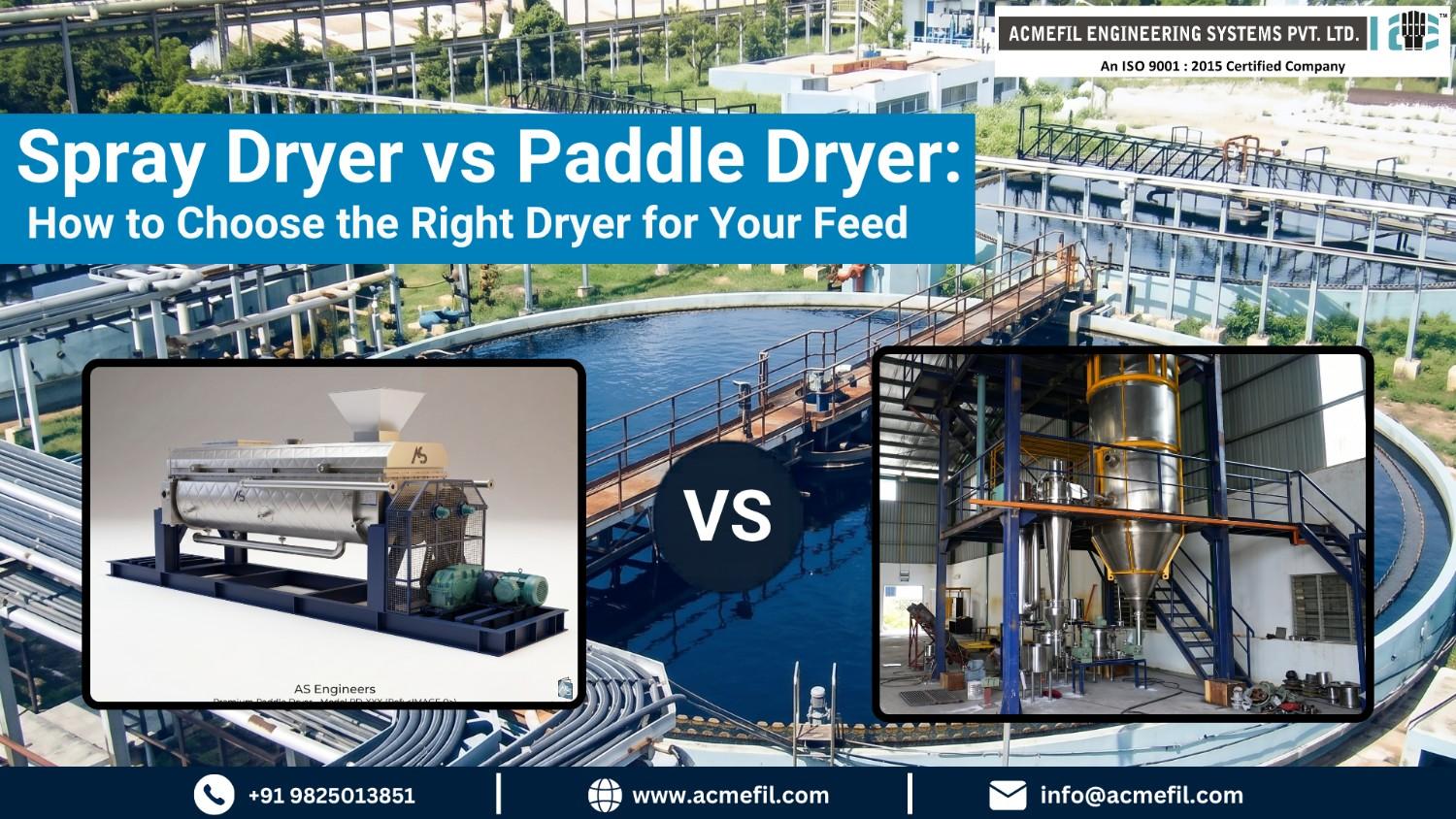 Spray Dryer · 11 min readSpray Dryer vs Paddle Dryer: How to Choose the Right Dryer for Your FeedA spray dryer is usually selected when the feed is a pumpable liquid, solution, emulsion, suspension, or slurry that must…
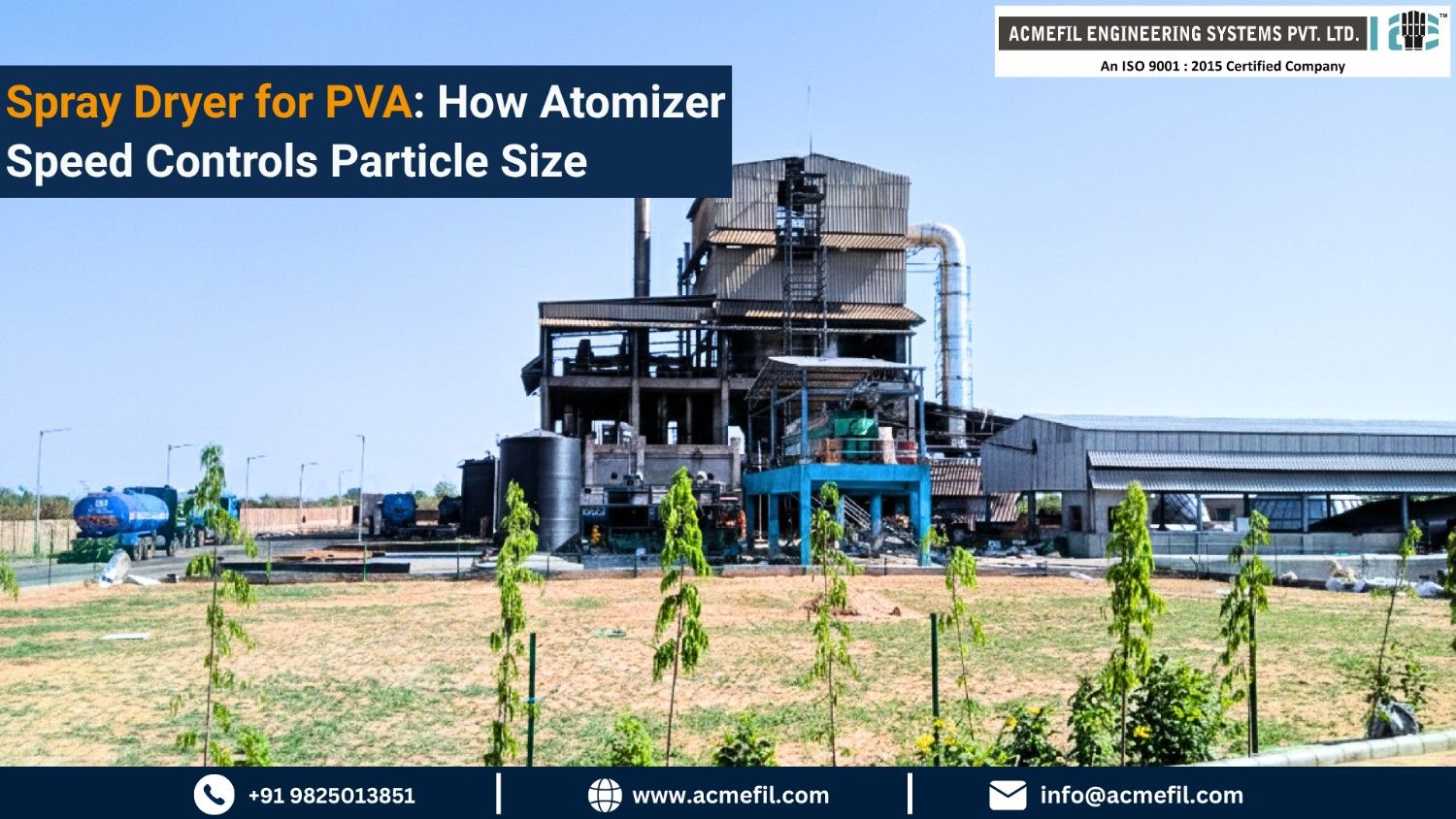 Spray Dryer · 10 min readSpray Dryer for PVA: How Atomizer Speed Controls Particle SizeWhat is a spray dryer for PVA? A spray dryer for PVA converts a pumpable polyvinyl alcohol solution or dispersion…
Free proposal
Tell us your product. We will size your spray dryer.
Share feed solids, the powder you need and capacity – get a configuration, a budget quote and a pilot-trial option within one working day.